
The Master Athlete
Training principles, our mindset... and much more.

Summary
Movement is identity, not just exercise.
Aging changes how we train, not whether we should.
Sarcopenia, balance loss, and metabolic drift are preventable.
Rest is relative; recovery must include movement.
Exercise doesn’t wear you down—it keeps you human.
Trail running has long been my happy place.
Actually, any kind of running sets the tone for my day—clear head, better focus, calmer outlook. Exercise is the most reliable switch I know for turning fatigue and worry into clarity.
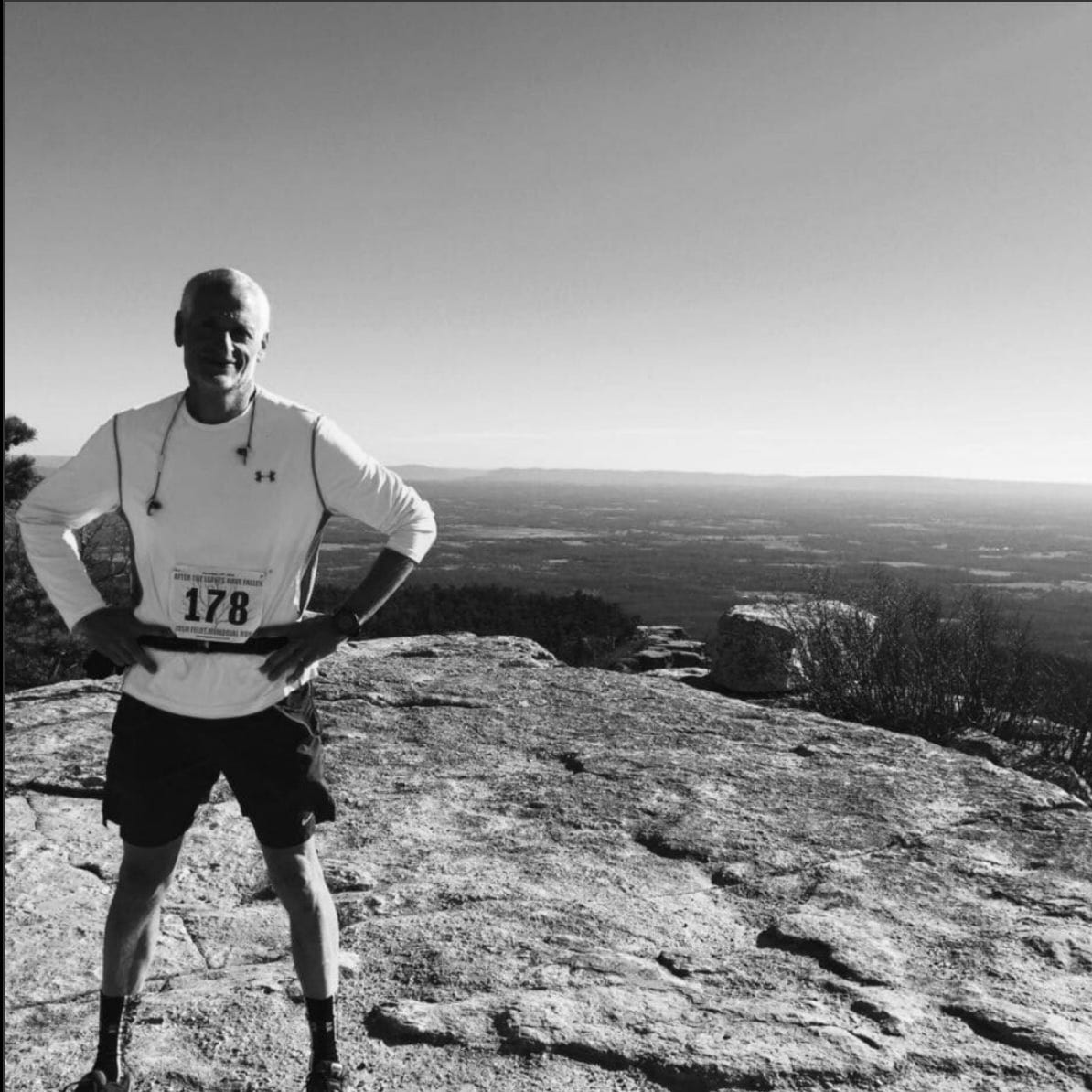
Most of us start exercising for one reason—health, fitness, weight, longevity—but those reasons rarely stay the same. Over time, exercise becomes something deeper. For many master athletes, movement is a need, not a choice. It’s the hormone rush, the rhythm, the quiet satisfaction that follows a long run through the trees.
A few months ago, I met Mary at a starting line. Seventy-six years old, lean, smiling, stretching like she had done this thousands of times. She told me she’d been running for decades but was struggling to finish races within the cutoff times. She had no plans to stop.
“Maybe I’ll come see you in your office,” she said, “so I can keep doing this for a few more years.”
Mary isn’t rare. Over two decades of caring for athletes of all ages, I’ve learned that older athletes are every bit as driven as the young ones. They’re racing against something different—time, inertia, loss of capacity—but the competitive fire is the same.
They don’t chase trophies. They chase continuity.
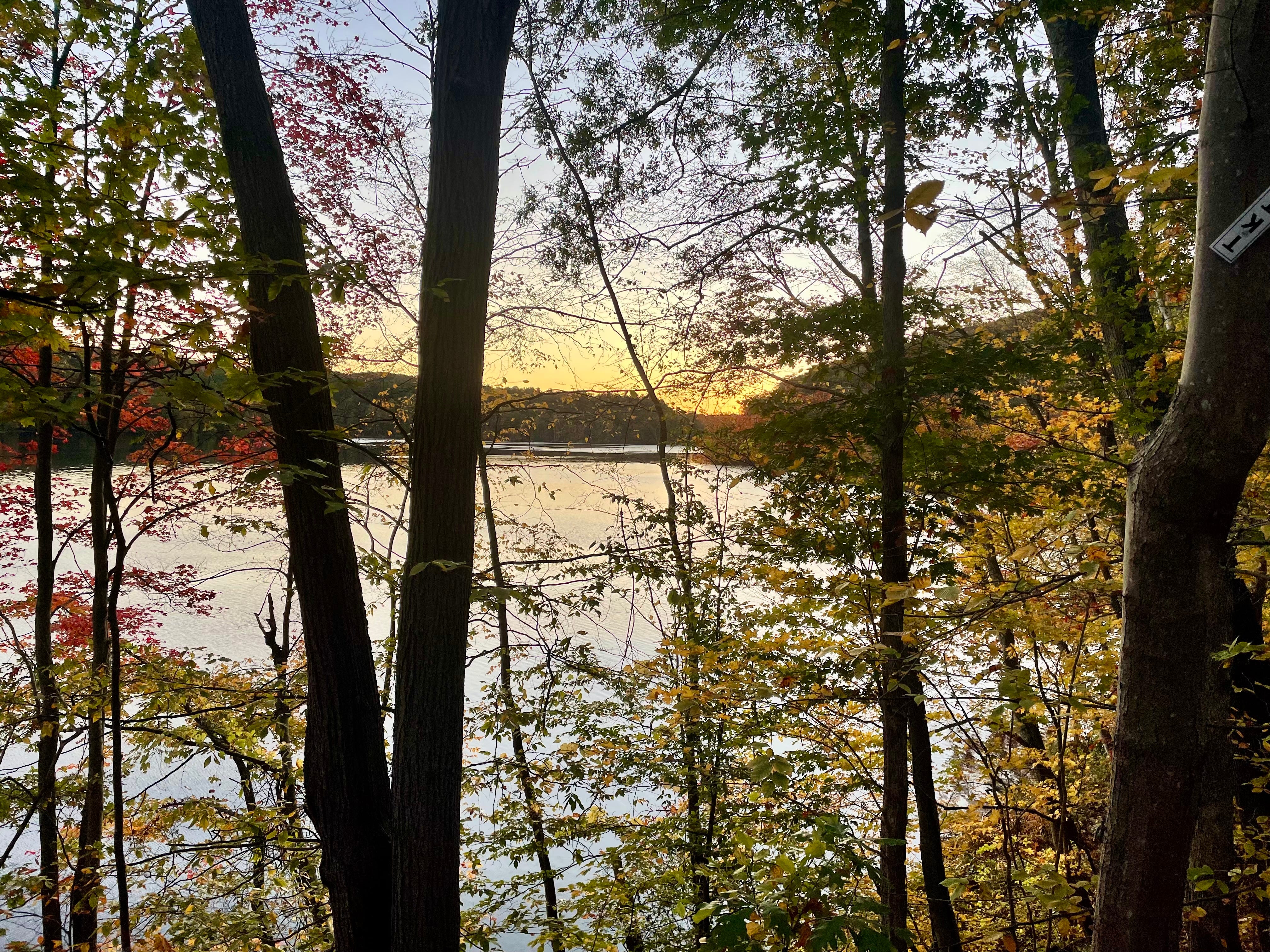
One thing I always mention in these discussions. The power of getting out in nature. Most of you have wonderful places to visit and spend time, and have no idea that these places exist. Seek them out… and explore.
From a run on a dirt road near me that no one travels on…
The Physiology of Time
Aging changes every system that movement depends on. Knowing what changes—and how to adapt—can make the difference between decline and resilience.
1. Muscle Mass and Strength (Sarcopenia)
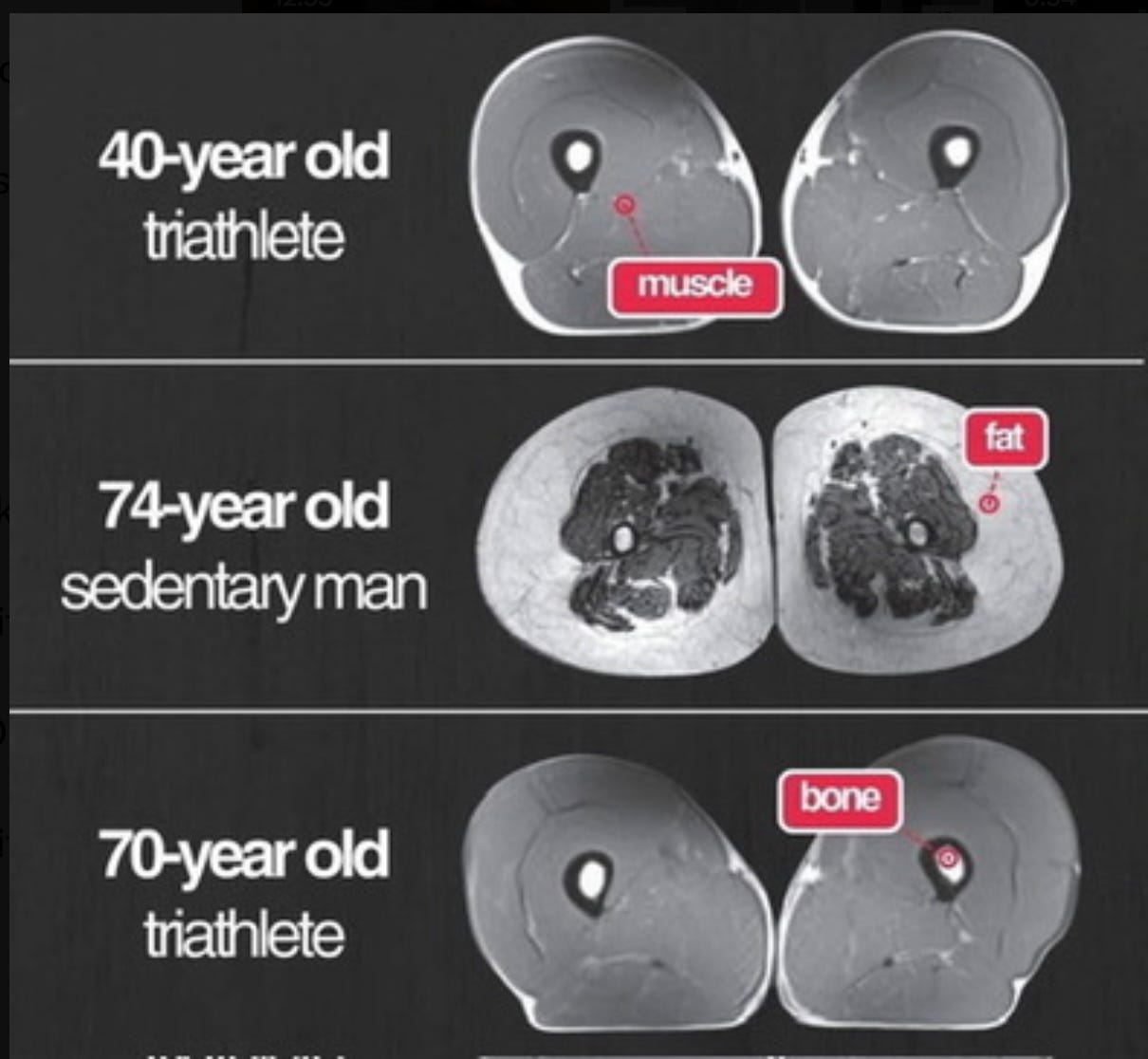
Beginning as early as our thirties, muscle mass slowly declines. Without resistance training, we lose roughly 1% per year—more if we’re inactive. Sarcopenia reduces strength, balance, and joint protection, setting the stage for frailty.
2. Bone Density
Bone responds to load. Remove load, and it thins. Osteopenia and osteoporosis increase stress-fracture risk and make even minor falls dangerous. Weight-bearing exercise and adequate protein and vitamin D blunt that decline.
3. Joint Health
Cartilage ages, but motion keeps it alive. Osteoarthritis is less about wear-and-tear and more about inflammation, strength, and biology. Joints need load, just not overload.
4. Metabolic Rate and Body Composition
Basal metabolism slows with age, favoring fat gain and insulin resistance. That same metabolic drift drives fatty liver, inflammation, and slower recovery. Regular activity—especially strength training—helps reverse it.
5. Cardiovascular and Hormonal Shifts
VO₂ max falls, max heart rate declines, and blood pressure creeps up. Hormones like testosterone, growth hormone, and estrogen drop, influencing recovery and body composition.
6. Flexibility, Balance, and Coordination
Tendons and ligaments lose elasticity; proprioception dulls. Balance training and dynamic movement keep those neural pathways alive.
7. Recovery and Immune Function
Inflammation resolves more slowly, protein synthesis lags, and overtraining becomes easier. Sleep, nutrition, and recovery days aren’t indulgent—they’re essential training blocks.
Becoming a Master Athlete
You have to make it to a certain age to earn the title. That means surviving the decades of stress, diet, and sedentary temptations that thin the herd.
You can’t outrun poor lifestyle choices, and you can’t medicate your way to fitness.
Metabolic health is the common denominator. Every system you rely on—muscles, tendons, cartilage, brain—depends on how well your cells handle energy.
Track the basics: LDL, HbA1c, ALT, insulin, uric acid, CRP, IL-6, and homocysteine. They tell you how your lifestyle is shaping your future function.
Fad diets come and go. The fundamentals remain:
Eat real food.
Eat enough protein (1.4–1.6 g/kg/day).
Get enough fiber to keep your gut and microbiome healthy.
Move often, lift something heavy, and sleep well.
The earlier you start, the easier it is to stay strong. But it’s never too late. Muscle and mitochondria remain adaptable well into your later decades.
Sarcopenia: The Quiet Thief
Sarcopenia doesn’t just shrink muscle; it shrinks capability and capacity. Sarcopenia narrows your world and the landscape you’re capable of traversing.
It affects gait, posture, glucose handling, and independence. Resistance training is the single most powerful countermeasure we have.
A few basics:
Squats, bridges, calf raises, rows, presses.
2–3 sessions per week.
RPE (rate of perceived exertion) 6–8—hard enough to matter, safe enough to repeat.
You don’t need long sessions. Ten focused minutes are better than none. And you don’t lose progress because you age—you lose it when you stop.
Balance: The Forgotten Skill
Falls are one of the leading causes of loss of independence in older adults. Balance training is fall-prevention training, joint-protection training, and confidence training all at once.
Simple works:
Stand on one leg for 30 seconds.
Move your arms while doing it.
Switch legs.
Progress to light weights or unstable surfaces.
Tandem walk- one foot directly in front of the other. Check out my Saturday Action Plan post on balance training from a few weeks ago.
Do it daily. The neural circuits that keep you upright respond quickly. Within weeks, you’ll notice a steadier footing.
The Myth of “Rest”
In orthopedics, “rest” is relative.
If you run 30 miles a week, rest might mean 15.
If you squat heavy twice a week, rest might mean lighter weights or fewer sets.
Complete rest—weeks of inactivity—leads to rapid deconditioning.
Your heart, muscles, and mitochondria all regress within days. Recovery is vital, but it should include movement: easy walks, mobility work, light spins.
Listen to your body. Elevated heart rate, fatigue, or soreness means back off, not stop.
The MRI Trap
Almost no one over 55 has a “normal” MRI of the knee or shoulder. Degenerative meniscus tears, rotator cuff thinning, labral tears, mild arthritis—these are normal age-appropriate findings in most… not pathologies demanding surgery.
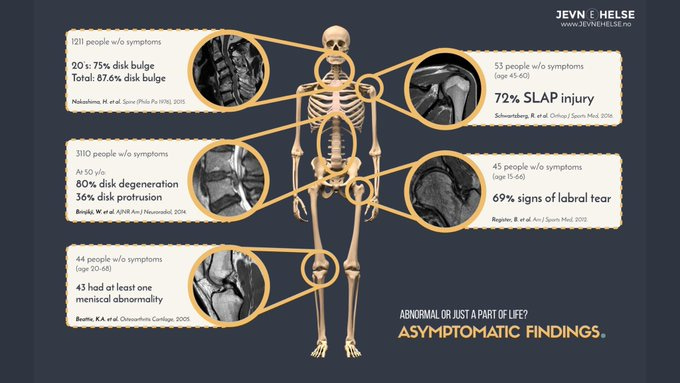
Pain doesn’t always equal damage.
Age-appropriate change is not disease.
Physical therapy, movement, and patience solve far more orthopedic complaints than scalpels do.
Exercise and Arthritis
Exercise doesn’t wear joints down—it nourishes them. Cartilage thrives on the cyclic compression of movement, which promotes nutrient exchange. Runners consistently show lower rates of arthritis than sedentary peers.
If you have osteoarthritis, movement is still medicine. Let pain guide intensity, but don’t stop. Cross-train. Cycle. Swim. Lift.
The strongest predictor of surgical need is weakness, not cartilage loss.
Pain and Progress
Some discomfort is inevitable. Mild pain (<3 / 10) during exercise is usually safe. Sharp, escalating, or lingering pain deserves attention—but “rest” shouldn’t be your default. Ask questions before you stop moving.
There are very few tendon or muscle conditions that heal with complete inactivity. Controlled load heals tissue. Read this article below for far more about tendons and managing tendon pain.

The Long View
For most people in midlife and beyond, the goal shifts from performance to preservation. That’s not a downgrade—it’s the essence of longevity.
Exercise becomes less about chasing times and more about maintaining capacity. The freedom to walk, run, lift, travel, play, and live independently is the prize.
Mary understood that. She wasn’t racing for a medal. She was racing to keep racing.
Take-Home Points
Exercise is the single most effective longevity tool we have.
Know your biomarkers. They reflect your lifestyle long before symptoms appear.
Strength and balance training prevent frailty and falls.
Rest is relative; recovery is active.
Movement treats joints, not the opposite.
Pain doesn’t always mean harm.
Consistency beats intensity.
Keep moving. Adjust the program. Protect the habit.
Longevity isn’t found in the lab; it’s earned one step, one lift, one breath at a time.
Damn I wish you lived down the street from me. We probably would not run together, but we would applaud each other's time outside training to live longer.
I like the statement that aging just changes how we exercise. This is hard to think about but paves the way for future exercise experiences. Thank you