
Chapter 13: When Things Flare Up + Supplements, Injections and Surgery

Summary:
Flare-ups are normal. They don’t mean damage or failure — they’re temporary signals that your joint environment needs rebalancing.
Keep moving. Scale activity when needed, but avoid complete rest. Tendons, muscles, and joints heal through controlled load, not stillness.
Medical tools have their place. Cortisone, gel shots, PRP, and supplements can help symptoms, but none replace movement and strength.
Surgery is not failure. It’s a valid option when pain limits quality of life and all conservative strategies have been given a fair chance.
Preparation matters. The stronger, fitter, and healthier you are before any intervention — especially surgery — the better your recovery and long-term outcomes. Even when you’re doing everything right—moving regularly, building strength, eating well—your knee will still have bad days. That’s normal.
A flare-up doesn’t mean you’ve ruined your progress. It doesn’t mean your joint is “crumbling.” It doesn’t mean you suddenly need surgery. It’s just a message from your body that the environment inside the joint is temporarily out of balance.
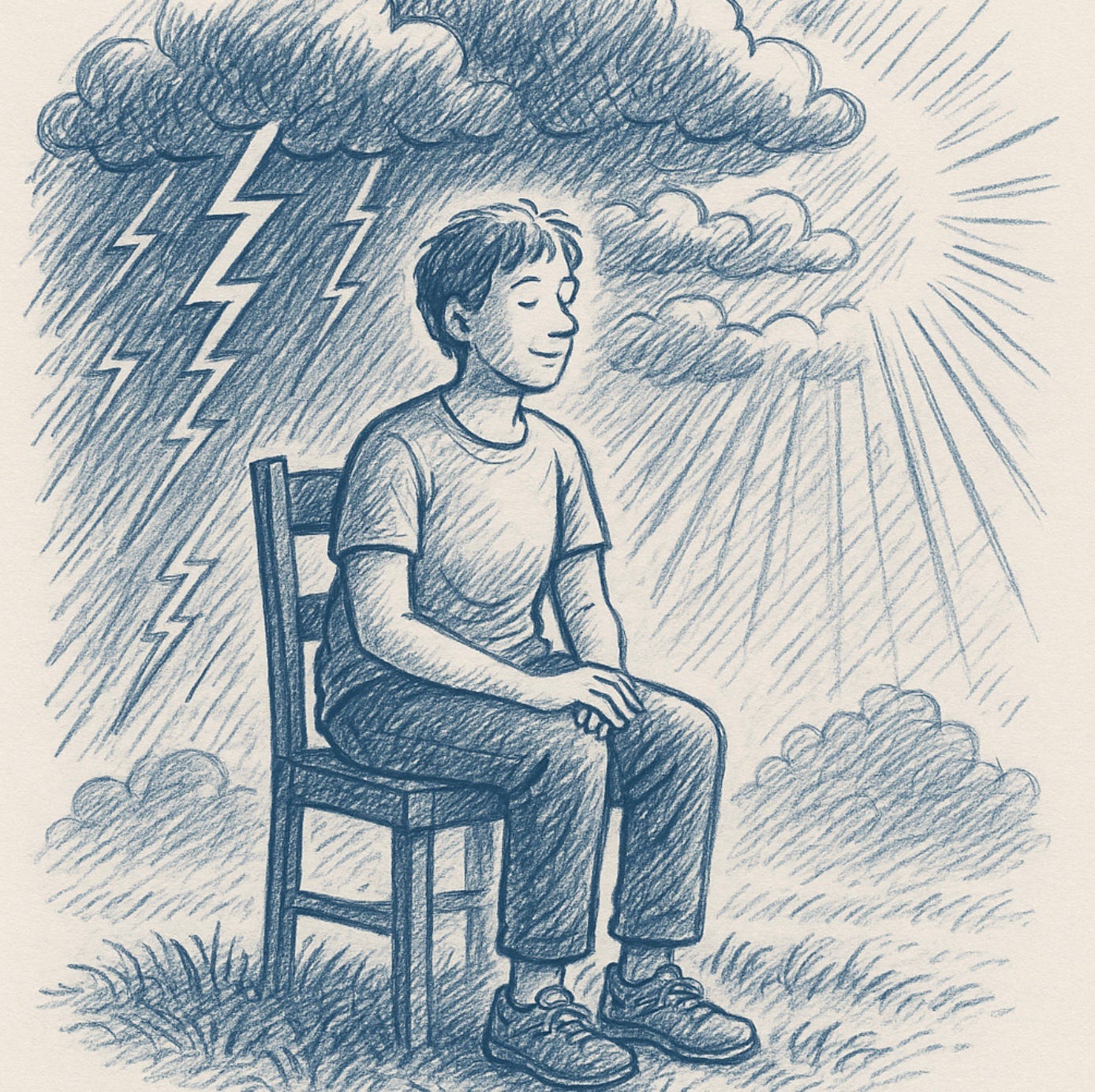
Maybe you did a little more than usual. Maybe you didn’t sleep well, your inflammation crept up, or you’re fighting off a virus. Sometimes, there’s no clear reason at all.
Flare-ups after viral illnesses are very common. A viral infection ramps up your immune system. That will lead to an increase in inflammation throughout your body… including your knee joints.
The key isn’t avoiding every flare-up. The key is knowing how to respond when one happens.
For Members, I’m sharing more about what to do when recovery stalls — how to distinguish between a normal flare and something that requires evaluation, what a safe “reload” plan looks like, and how I guide patients through decisions about injections, supplements, or surgery.
It’s the nuance that rarely gets explained but makes all the difference in staying active and confident when setbacks appear.
